
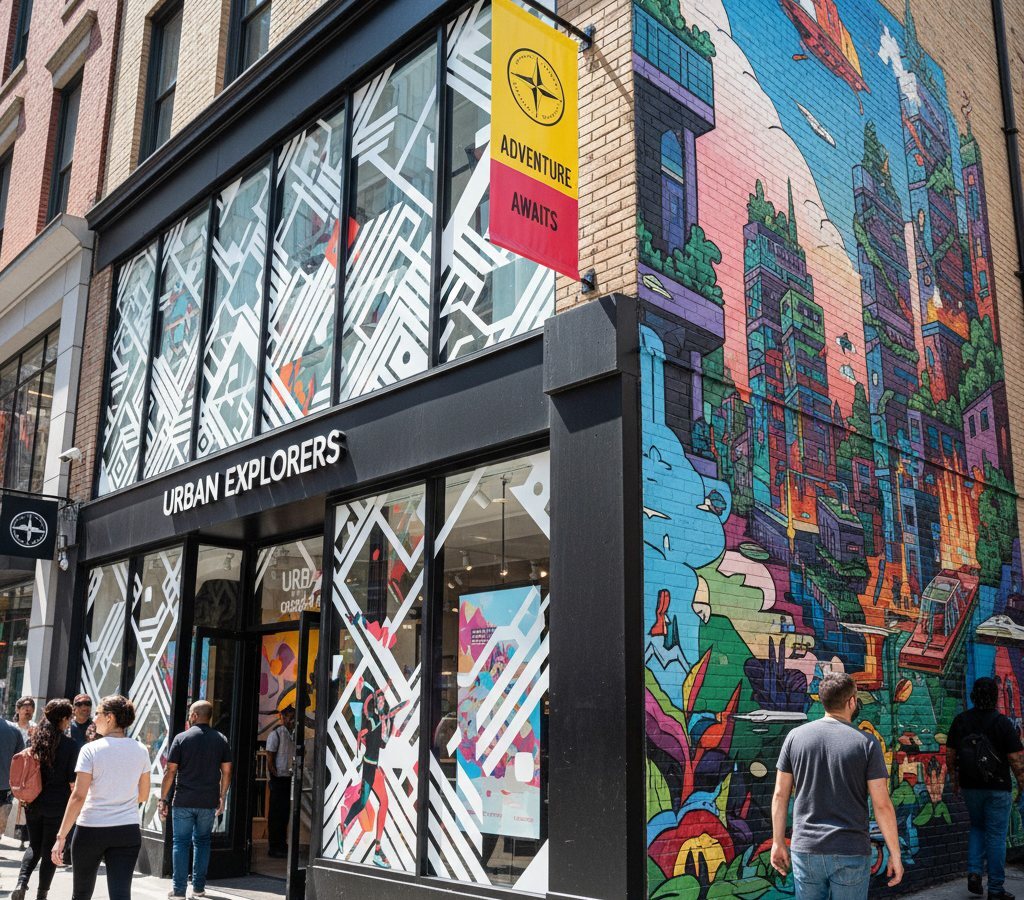
Large format printing refers to printing on oversized surfaces like billboards, wall graphics, vehicle wraps, banners, and architectural signage. It’s a cornerstone of visual marketing because it gives businesses the ability to grab attention on a massive scale.
According to Smithers’ Global Print Report, the print market is expected to reach $834.3 billion by 2026, with large format printing making up one of the fastest-growing segments due to its widespread use in advertising, retail, events, and healthcare.
In 2026 and beyond, large-format printing is moving past traditional applications and embracing new technologies, sustainable practices, and personalized experiences.
In this article, we’ll cover the biggest trends shaping its future, challenges the industry faces, and where it’s headed next.
A New Chapter for Large Format Printing in 2026
Large format printing is no longer limited to basic posters, banners, and billboards. In 2026, it’s evolving into a strategic branding tool that merges creativity, technology, and sustainability.
Businesses aren’t just using large format prints to grab attention; they’re leveraging them to create experiences, tell stories, and connect with audiences in ways that digital screens alone cannot achieve.
According to Grand View Research (2024), the global large-format printer market reached $9.11 billion in 2023 and is forecasted to keep growing through the end of the decade.
This growth reflects the increasing reliance on physical graphics in industries such as retail, healthcare, entertainment, and corporate branding to complement digital marketing.
1. Greater demand for short-run, customized prints
Brands want faster, more flexible printing. Instead of mass-producing identical graphics, companies now choose short runs tailored to specific markets or events, keeping campaigns relevant and cost-effective.
2. Sustainability pressures reshaping printing decisions
Eco-friendly printing is now the standard. Businesses are adopting recyclable substrates, safe inks, and low-waste processes to meet consumer and regulatory expectations.
3. Digital integration creates hybrid experiences
Print is merging with digital. Large format graphics are being paired with AR, QR codes, and online platforms to create interactive, hybrid brand experiences.
Large-format printing is no longer a supporting tool; it’s becoming a core element of brand strategy. Companies that embrace customization, sustainability, and hybrid media will set the pace in 2026 and beyond.
Why is large-format printing still important in the digital age?
Large format printing provides tangible visibility that digital ads can’t replicate. Outdoor signage, trade show exhibits, and branded environments capture attention in high-traffic, real-world settings.
Unlike online ads, which can be skipped or blocked, large-format graphics occupy physical space and leave a lasting impression.
How Technology Is Redefining What’s Possible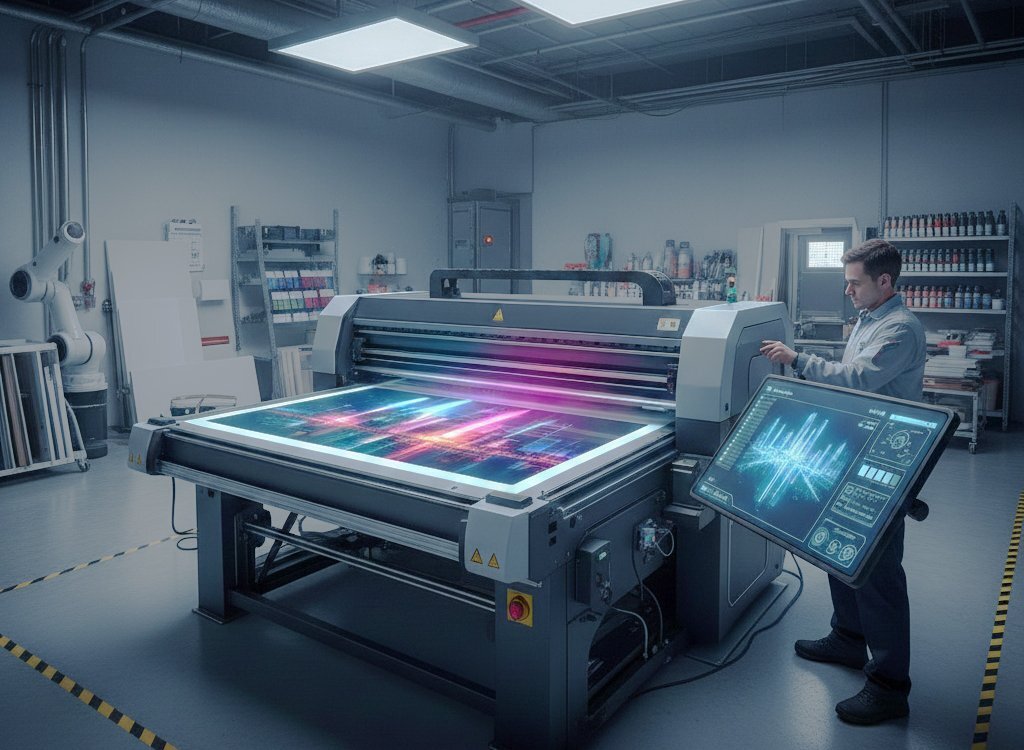
Technology isn’t just an aid in large format printing; it’s becoming the engine of new possibilities, pushing boundaries in speed, materials, and creative expression.